Secure Waterproof Travel Laptop Backpack (36–55L)
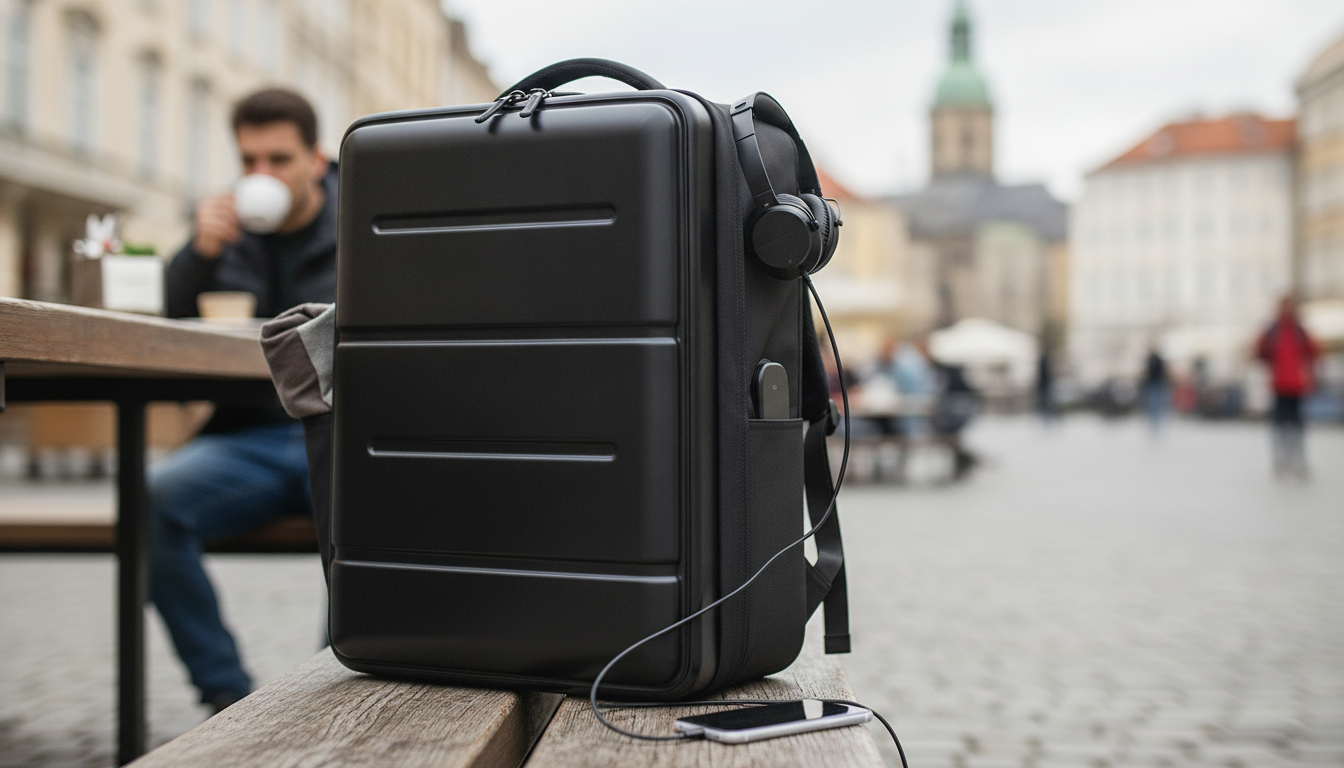
Waterproof, Anti-Theft, and Ready for Real Travel Days
A travel-ready laptop backpack has to do more than hold a computer. It should help keep gear dry when weather turns, make casual theft harder in crowds, and reduce daily friction with smart organization and on-the-go charging. If your routine includes commutes, terminals, coffee shops, and long walks between stops, a waterproof anti-theft backpack with a USB charging port can function like a mobile basecamp—keeping essentials protected, accessible, and easier to manage.
What This Backpack Is Designed to Solve
This style of travel laptop backpack is built around a few high-friction problems that show up again and again on the move:
- Weather protection for electronics and documents during rain, snow, or accidental spills.
- More secure carry in crowded transit, tourist areas, and airports with anti-theft-minded design cues.
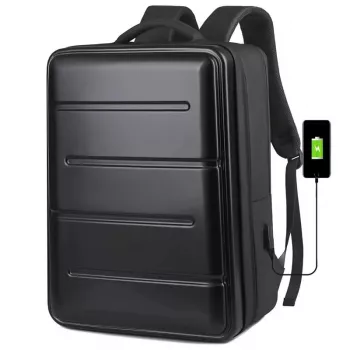
- Simpler device management via a built-in USB charging port (used with a power bank stored inside the bag).
- Flexible capacity (roughly 36–55L) to fit anything from daily carry to one-bag weekends.
- Cleaner organization so laptop, cables, toiletries, and clothing don’t collapse into one chaotic compartment.
Capacity Planning: 36L vs 55L and When Each Makes Sense
Capacity isn’t just about “more space.” It changes how the bag carries, whether it fits under a seat, and how comfortable it feels after two hours of walking. If you’re choosing an expandable 36–55L range, think of it as three modes:
- 36L range: Best for everyday carry, lighter loads, tight public transit, and easier under-seat handling.
- 45L mid-pack: A balanced option for a change of clothes plus a tech kit—ideal for overnight or 2–3 day minimal packing.
- 55L range: Better for bulkier clothing, extra shoes, camera cubes, or long days where layers and food come along.
- Air travel practicality: A fully expanded bag can be harder to stow under seats. Compression packing and leaving expansion unused until needed often works best.
- Comfort matters more as capacity increases: Prioritize padded shoulder straps and a breathable back panel when you expect heavier loads.
| Capacity Range | Best For | Typical Loadout Example |
|---|---|---|
| Around 36L | Commute + gym or a light weekend | Laptop, charger, hoodie, water bottle, notebook, small toiletry bag |
| Around 45L | Overnight to 3-day minimal travel | Laptop, tech pouch, 2 outfits, compact toiletry kit, light jacket |
| Up to 55L | Long travel days or bulkier packing | Laptop, camera/gear cube, 3–5 outfits, shoes, larger toiletry kit, snacks |
Anti-Theft Features That Actually Help in Real Life
- Hidden or back-access pockets: Keeping a passport, wallet, or backup card against your back makes quick grabs much less likely.
- Zipper management: Covered zipper paths, tighter zipper tracks, and (when included) lockable pulls help reduce casual zipper fishing in crowds.
- Slim, close-to-body carry: A bag that sits tight to your back is harder for someone else to manipulate unnoticed.
- Smart placement for passport/wallet: Put your highest-value items in the most protected pocket, not the most convenient one.
- Good habits still matter: In dense crowds, wearing one strap forward and avoiding outer pockets for phone/wallet goes a long way. For general theft-awareness travel tips, see the FBI’s guidance on common theft tactics: Pickpockets and Purse Snatchers (Travel Safety Tips).
Waterproofing: What to Expect and How to Use It
USB Charging Port: How It Works and What to Check
- Power bank usually not included: Plan your own capacity based on your phone/tablet usage and whether you’re charging earbuds, a watch, or a hotspot.
- Cable management matters: Keep the power bank in a stable pocket so it won’t bounce and tug on connectors while walking.
- Airport/security rules: Power banks are typically required in carry-on baggage. Review TSA guidance here: TSA: Portable Chargers and Power Banks. For broader airline lithium battery rules, see: IATA: Lithium Batteries Guidance.
- Charging etiquette: Use a short exterior cable to reduce snag risk when moving through gates, platforms, and sidewalks.
Laptop Fit, Organization, and Comfort for Long Carry
Recommended Picks (In Stock)
- Waterproof Anti-Theft Travel Laptop Backpack with USB Charging – 36-55L ($67.51): A strong all-in-one option for commuting, airport days, and weekend packing thanks to expandable capacity, organized storage, weather-ready materials, and a convenient charging pass-through.
- Your AI-Powered Daily Boost Checklist | Digital Energy Tracker, Productivity Planner, AI Wellness Tool, Daily Routine Optimizer Printable & Guide ($5.99): Helpful if you want a simple routine for travel days—charge plan, hydration, and must-pack reminders—so you’re not relying on memory at 5 a.m.
- Small Talk Made Simple | Digital Download Guide for Better Conversations, Easy Social Skills, Everyday Communication Tips, Printable eBook ($3.99): A lightweight read that pairs well with work trips, conferences, and campus life where quick conversations matter.
Snapshot
| Item | Details |
|---|---|
| Product | Waterproof Anti-Theft Travel Laptop Backpack with USB Charging – 36–55L |
| Price | $67.51 |
| Availability | In stock |
FAQ
Does the USB charging port charge a laptop or just a phone?
The port connects to a power bank stored inside the backpack, so charging depends on the power bank’s output and your device’s requirements. Most pass-through setups are best for phones and small devices unless you use a higher-output power bank and compatible charging standard.
Is a waterproof backpack safe in heavy rain?
It can handle normal rain very well, but long downpours may still push water through seams or zippers over time. For heavy rain, add an internal zip pouch for electronics and consider a rain cover for full protection.
What makes a backpack “anti-theft” in everyday travel?
Practical anti-theft features include hidden/back-access pockets, reduced-exposure zippers, and a close-to-body fit that’s harder to manipulate unnoticed. Pair those features with simple habits—like keeping valuables in protected pockets in crowds—for the best real-world benefit.








Leave a comment