AI Burnout Check-Ins: Spot Early Signs & Recover Faster

Using AI to Spot Early Burnout Signs: A Practical Guide to Stress Awareness and Recovery
Burnout rarely arrives all at once. It tends to build through small changes in energy, mood, focus, and habits that are easy to normalize until functioning starts to drop. AI-supported check-ins and pattern tracking can help surface these shifts earlier—so recovery actions happen sooner, not after a crash. Below is a practical way to recognize early warning signs, use AI responsibly, and translate insights into a recovery plan that fits real schedules.
Burnout vs. everyday stress: what’s different
Everyday stress often spikes around deadlines or life events and then eases when the pressure lifts. Burnout is different: it’s a sustained state that doesn’t fully reset after a weekend, a day off, or “catching up” on sleep. The World Health Organization describes burn-out as an occupational phenomenon characterized by exhaustion, mental distance/cynicism, and reduced professional efficacy.
Those dimensions matter because early burnout signs can look like “minor” issues—irritability, forgetfulness, sleep disruption—that persist for weeks. If symptoms feel severe (panic, hopelessness, or thoughts of self-harm), professional support is the priority, not self-tracking.
For additional background on stress and coping, the American Psychological Association has helpful resources: https://www.apa.org/topics/stress/. Workplace stress guidance is also available from NIOSH (CDC): https://www.cdc.gov/niosh/topics/stress/.
Early burnout signs that often get missed
Burnout signals usually show up in clusters. One odd night of sleep or a single low-motivation day isn’t the point; the pattern is.
Energy and body cues
Common early flags include waking unrefreshed, more frequent headaches, stomach issues, muscle tension, or getting sick more often than usual. These are easy to dismiss as “just getting older” or “a busy season,” but they can be the body’s way of requesting recovery.
Cognitive cues
Look for slower thinking, increased errors, difficulty starting tasks, reduced creativity, and decision fatigue. A subtle sign is needing more time to do work that used to feel straightforward.
Emotional cues
Burnout often shortens patience and increases sensitivity to small frustrations. Some people notice the opposite—feeling numb or flat, with less satisfaction from wins that would normally feel rewarding.
Behavioral and work-pattern cues
Withdrawing from coworkers or friends, procrastination loops, doomscrolling, and increased reliance on caffeine or alcohol can all be “coping signals.” Work patterns may shift toward longer hours with less output, avoiding priority work, or interpreting neutral feedback as conflict.
Where AI can help with early recognition
AI can support awareness in five practical ways:
Signals AI tools commonly track (and what to do with them)
| AI-detected pattern | What it may indicate | Low-effort next step | If it continues |
|---|---|---|---|
| Sleep time shifting later + fewer total hours for 10–14 days | Recovery debt building; heightened irritability and errors | Set a fixed wind-down start time; reduce evening screen stimulation | Review workload and cut one recurring obligation; consider clinician support if insomnia persists |
| Rising self-rated stress + declining motivation | Approaching emotional exhaustion | Schedule a protected break block; do one “minimum viable” task list | Discuss priorities with a manager; adjust deadlines or scope |
| More after-hours work + lower output | Overcommitment and diminishing returns | Create a hard stop time; batch communication windows | Negotiate boundaries, redistribute tasks, or take PTO |
| Journaling shows repeated themes: dread, cynicism, detachment | Cynicism dimension of burnout emerging | Reintroduce one meaningful activity; reduce exposure to draining triggers | Seek coaching/therapy; reassess role fit and expectations |
| Reduced movement + increased passive scrolling | Shutdown/avoidance coping | 10-minute walk and hydration; set a short timer to start one task | Build a weekly recovery plan and accountability check-ins |
Privacy, boundaries, and ethical use of AI for wellbeing
Turning insights into a recovery plan that works in real life
Using the digital eBook as a guided system
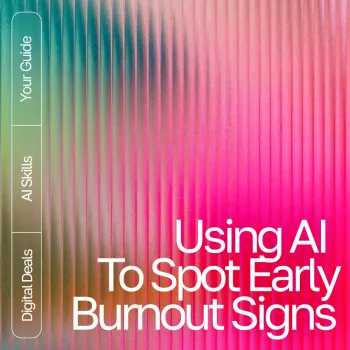
If you want structure without overwhelm, a guided system can help you stay consistent when motivation is low. Using AI to Spot Early Burnout Signs (digital eBook) is designed for quick daily check-ins, weekly reviews, and targeted exercises that turn signals into practical recovery habits.
Helpful add-ons for recovery-friendly routines
- Portable Wooden Butterfly Chair for a comfortable reset space during short breaks or reading sessions.
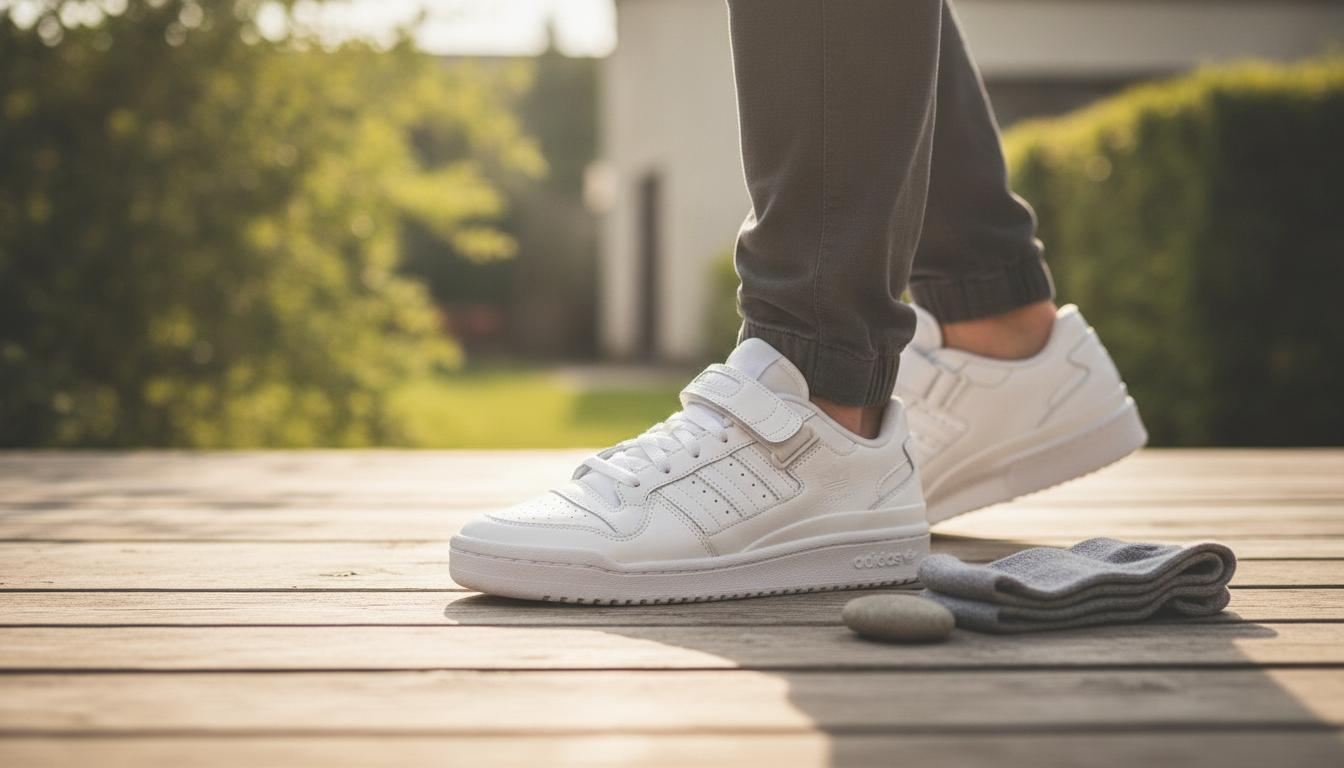
- Vans Women’s Black Leather Shoes as an easy default for short walks and light movement when energy is low.
Get the guide
- Digital eBook: Using AI to Spot Early Burnout Signs | Recognizing Early Burnout Signs with AI | Digital eBook for Stress Awareness and Recovery
- Price: $15.99
- Format: Digital download (ideal for quick reference, checklists, and repeat use during busy weeks)
For the WHO definition and context, see: https://www.who.int/news/item/28-05-2019-burn-out-an-occupational-phenomenon-international-classification-of-diseases.
FAQ
Can AI diagnose burnout?
No. AI can flag patterns and risk indicators (like worsening sleep, rising stress ratings, or recurring “dread” themes), but it can’t provide a clinical diagnosis. If symptoms are severe, persistent, or feel unsafe, a licensed professional evaluation is the right next step.
What’s the earliest sign of burnout for most people?
Many people notice persistent unrefreshing sleep, rising irritability, and reduced effectiveness despite longer hours. The most useful approach is tracking trends over a few weeks rather than reacting to a single rough day.
Is it safe to use AI tools for stress tracking?
It can be, if you choose privacy-respecting tools, limit sensitive inputs, and use results for personal insight—not workplace monitoring. When in doubt, track fewer data points and prioritize consent, transparency, and your comfort.








Leave a comment