AI Yoga Routine Checklist: Build Repeatable Flows Fast
Your AI-Powered Yoga Routine Checklist: a simple way to plan flows you’ll actually repeat
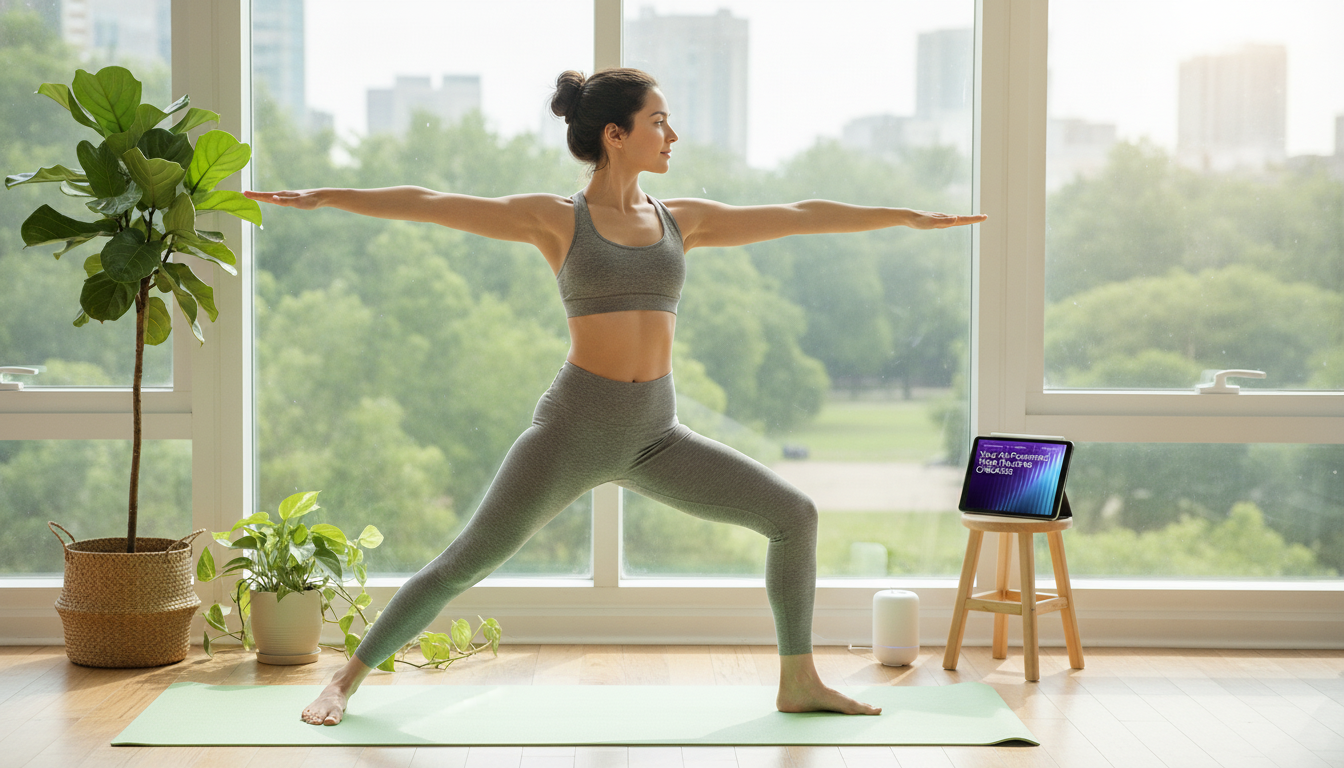
A yoga practice feels easier to keep when the “what do I do today?” question is already answered. Your AI-Powered Yoga Routine Checklist (Digital Download) gives you a start-to-finish structure for building custom flows—so warm-ups, peak poses, cool-downs, breathwork, and meditation fit together smoothly whether the goal is energy, recovery, flexibility, or calm. It’s designed to work with AI-assisted ideas for yoga routines while still keeping the practice personal, consistent, and body-aware.
Yoga is widely used as a mind-body approach that can support stress management and overall well-being when practiced safely and consistently. For evidence-based context and precautions, see the National Center for Complementary and Integrative Health (NCCIH) guide to yoga and the American Heart Association overview of meditation and mindfulness.
What the checklist helps organize
The checklist is built to keep planning lightweight but complete—so you don’t skip the parts that make the whole session feel better.
- A start-to-finish flow map: intention → warm-up → main sequence → cool-down → meditation
- Options for different time windows (10, 20, 30, 45+ minutes) without feeling rushed
- Sequencing logic so the body is prepared for deeper shapes (mobility before intensity, intensity before longer holds)
- Mindful movement cues that support focus, not just flexibility
- Space to note preferences, limitations, and what felt good for next time
A practical flow-building template (from arrival to rest)
When a session has a predictable arc, it’s easier to relax into it. Use this template to fill in your own pose choices (or ask AI for variations inside each phase).
- Arrival (1–2 min): settle, notice breath, choose an intention (steady, open, grounded, energized)
- Warm-up (3–8 min): joint circles, cat-cow, gentle lunges, easy forward folds—prioritize spine, hips, shoulders
- Main sequence (8–25 min): build heat and strength with repeatable patterns (standing series, low lunge variations, balance work)
- Peak pose or focus (2–8 min): one “centerpiece” shape or skill (hip opener, backbend prep, hamstrings, twist, balance)
- Cool-down (3–10 min): longer exhales, seated shapes, supported folds, gentle twists
- Rest + meditation (2–10 min): savasana, body scan, or breath counting; close with one takeaway
If you want your movement practice to connect smoothly to the rest of your day (energy, productivity, and mood), pair this with Your AI-Powered Daily Boost Checklist for a simple, trackable rhythm.
Sequencing rules that keep practices safer and smoother
Good sequencing often feels “obvious” in the body: you warm what you’ll use, build gradually, then downshift. These rules help reduce the “why does this feel tweaky today?” moments.
- Progress from simple to complex: smaller ranges of motion before deeper end-range work
- Balance effort and ease: pair strength with mobility, then downshift with calming holds
- Warm the target area before loading it: wrists for arm balances, hips for deep lunges, shoulders for backbends
- Twists after length: prioritize axial extension before rotating; keep twists gentler when fatigued
- Backbends: mobilize thoracic spine and hip flexors, activate glutes/upper back, then deepen gradually
- Cool-down is not optional: a few minutes of downshifting supports recovery and sleep
Use AI-assisted ideas without losing the “you” in your practice
AI works best when it’s your brainstorming partner, not your boss. The checklist helps you give AI a clear container so the flow stays coherent and repeatable.
- Set clear inputs: time available, experience level, energy level, and any sensitive areas (knees, low back, wrists)
- Ask for options, not commands: request 2–3 variations for each section (warm-up/main/peak/cool-down)
- Choose one theme per session: hips, hamstrings, shoulders, core, gentle recovery—avoid random sequences
- Keep familiar anchors: a few go-to poses that feel good, then add one new element at a time
- Review and edit: remove anything that feels sharp, rushed, or overly advanced; simplify transitions
- Track outcomes: note what improved mood, reduced tension, or increased energy—then repeat what works
Quick routine recipes (pick one and personalize)
| Goal | Time | Main emphasis | Finish with |
|---|---|---|---|
| Energy | 15–25 min | Standing flow + light backbend prep | 2–4 min savasana |
| Calm | 10–20 min | Slow hips + supported folds | 5–8 min body scan |
| Strength | 20–40 min | Core + balance + steady pacing | Longer cool-down |
| Recovery | 20–45 min | Mobility + gentle range of motion | Legs-up-the-wall |
| Sleep | 10–15 min | Restorative holds + soft breathwork | Extended exhales |
Meditation and breathwork add-ons that fit any flow
Who this digital checklist is for (and how it’s used)
Digital download details
To get started today, open Your AI-Powered Yoga Routine Checklist (Digital Download), pick a time window, and build one session you can happily repeat. If you’re also trying to match movement to your energy and workload, add Your AI-Powered Daily Boost Checklist to spot patterns and keep the habit realistic.
FAQ
Can beginners use this to build a safe yoga routine?
Yes—start with shorter sessions, choose gentle warm-ups and simple standing or seated poses, and avoid advanced inversions or deep binds. Keep transitions slow and give yourself a longer cool-down; consult a qualified instructor if you have injuries or medical conditions.
How does AI help without making the routine feel random?
AI helps most when it generates options inside a clear structure (warm-up → main sequence → cool-down → meditation). Keep one theme per session, use familiar anchor poses, and edit the plan for comfort, pacing, and your current skill level.
What’s a good weekly rhythm for mindful movement and meditation?
A balanced rhythm is 2 energizing flows, 2 strength/stability sessions, 1 mobility/recovery session, plus 2 short meditation-only or gentle stretch days. Adjust week to week based on stress, soreness, and sleep quality.









Leave a comment