AI Sleep & Mood Checklist: 2-Min Daily Tracking System
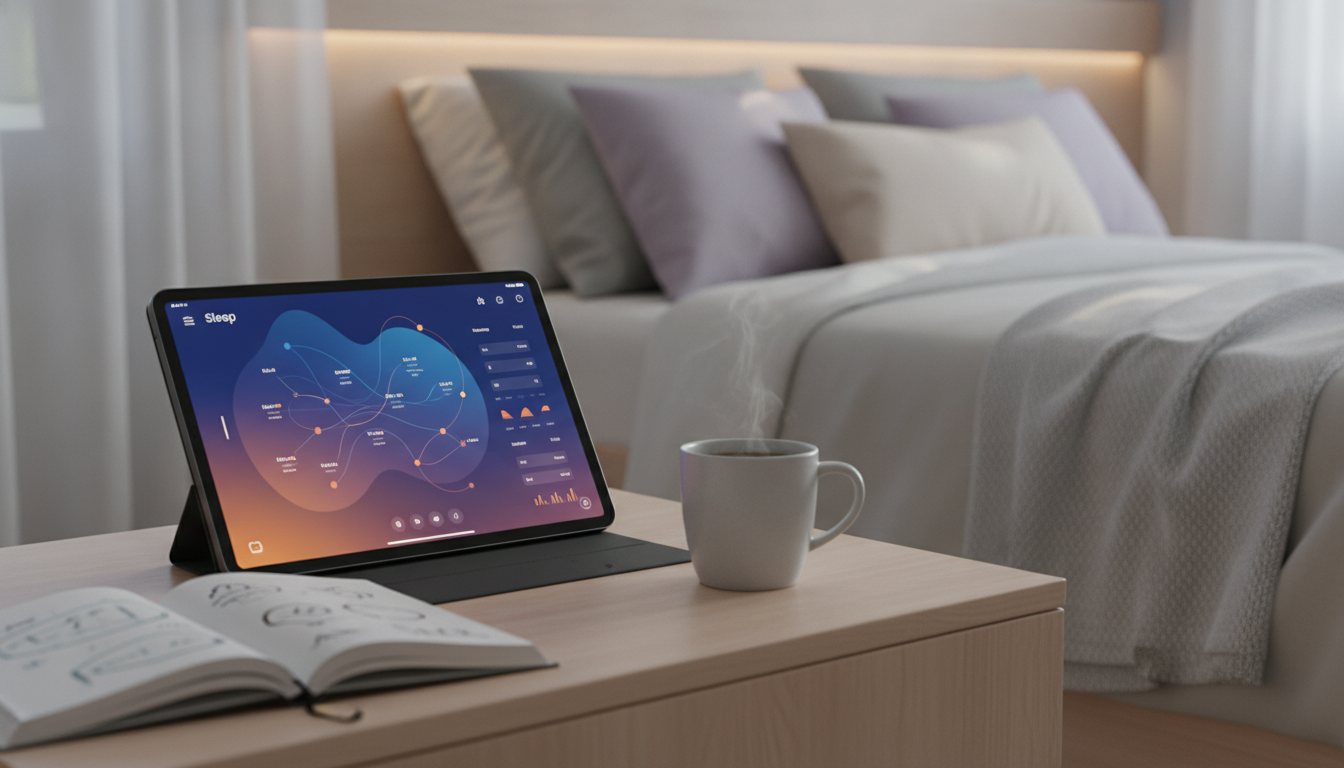
Sleep & Mood AI Mastery Checklist: A Simple Daily System for Better Rest and Emotional Balance
Sleep and mood often move together: a restless night can make the next day feel harder, while a stressful day can make it tougher to wind down. A simple checklist—done in under two minutes—can reveal what’s actually driving your ups and downs without turning your life into a data project. The goal is steady, repeatable tracking that’s “AI-friendly,” so weekly summaries become clear and actionable instead of overwhelming.
What the Sleep & Mood AI Mastery Checklist Helps With
This kind of system works best when it stays small and consistent. Instead of chasing perfect sleep or trying to “analyze yourself” daily, you collect a handful of signals that tend to influence both rest and emotional balance.
- Create a consistent daily rhythm using a short morning check-in and evening wind-down
- Track sleep quality, energy, mood shifts, and triggers in a repeatable format
- Turn notes into patterns: what improves sleep, what disrupts it, and what stabilizes mood
- Use AI summaries to reduce overthinking and keep tracking sustainable
- Build a personal playbook for better nights and more even days
If you want a ready-made template (instead of building your own fields), the Sleep & Mood AI Mastery Checklist – Ultimate AI Tracker for Sleep and Mood is a quick digital download designed for daily check-ins and a weekly review loop.
The Two-Minute Daily Flow (Morning + Evening)
Think “signal, not story.” Short phrases beat long journaling because they’re easier to repeat when life gets busy—and more consistent data makes patterns easier to spot.
- Morning (60 seconds): rate sleep quality, mood baseline, and expected stress level; note one likely challenge
- Midday (optional 30 seconds): quick mood pulse and a single cause (food, conflict, workload, hormones, caffeine, weather)
- Evening (60 seconds): rate mood stability, screen time late, caffeine timing, movement, and wind-down adherence
- Keep entries consistent: short phrases beat long journaling
- Aim for 5–7 days of data before drawing conclusions
| Time | What to record | Scale / format | Why it matters |
|---|---|---|---|
| Morning | Sleep quality + mood baseline | 1–10 + 1–10 | Links rest to emotional tone for the day |
| Midday (optional) | Mood shift + trigger | Up/Down/Flat + 3 words | Captures real-world drivers, not guesses |
| Evening | Wind-down + stress load | Yes/No + 1–10 | Shows if routine protects sleep on hard days |
| Anytime | Notable events | Bullet (max 1–2) | Prevents missing obvious cause-and-effect patterns |
How to Use AI Without Overcomplicating Tracking
The best use of AI here is compression: it turns scattered notes into a simple weekly “what mattered most” snapshot. That keeps you from spiraling into daily interpretation.
- Batch your notes: copy 7 days into a single AI chat or document for a weekly summary
- Ask for patterns: “What variables appear most tied to poor sleep?” and “What improves mood stability?”
- Ask for next steps: request 3 small experiments for the next week (only one change at a time)
- Use neutral language: focus on observations, not self-judgment
- Save a weekly snapshot: one paragraph of insights plus the single habit to test next
If you already like AI-assisted structure for daily life, pairing sleep/mood tracking with a daytime routine tool can be helpful. The Your AI-Powered Daily Boost Checklist complements this approach by organizing energy, focus, and daily anchors that often affect nighttime wind-down.
What to Track First (The “High-Impact 5”)
If you’re unsure what to measure, start with variables that commonly influence both sleep depth and emotional steadiness. The trick is to keep these fields simple so you can fill them out even on chaotic days.
- Wake time consistency (even more than bedtime for many people)
- Caffeine cut-off time (and total intake)
- Light exposure: morning daylight and late-night bright light/screens
- Evening decompression: stress downshift before bed (breathing, stretching, shower, reading)
- Movement: even a short walk can affect sleep pressure and mood regulation
For foundational guidance on sleep health, the CDC’s overview of sleep and sleep disorders is a solid reference, and the American Academy of Sleep Medicine’s Sleep Education library offers practical, evidence-informed explanations.
Weekly Review: Turn Notes Into a Personal Playbook
Weekly review is where the checklist becomes a system. Instead of asking “What’s wrong with me?” you ask “What conditions tend to produce better nights and steadier days?” That shift alone can reduce stress around sleep.
If mood symptoms are persistent or heavy, reputable resources like the National Institute of Mental Health’s information on depression can help clarify when it’s time to seek additional support.
Who This Checklist Fits Best
Sleep & Mood AI Mastery Checklist (Digital Download)
| Item | Format | Best for | Price |
|---|---|---|---|
| Sleep & Mood AI Mastery Checklist | Digital checklist/guide | Sleep + mood pattern tracking and weekly review | $5.99 |
FAQ
How long does it take to see useful patterns from sleep and mood tracking?
Many people notice early signals in about 7 days, but clearer patterns usually show up over 2–4 weeks. Consistency matters more than detail, and testing one change at a time makes your results easier to trust.
What should be tracked if there is only time for a few fields?
Start with sleep quality (1–10), mood baseline (1–10), and the “High-Impact 5”: wake time consistency, caffeine cut-off, light exposure, evening decompression, and movement. These variables are common drivers that can shift both sleep depth and emotional steadiness.
Can AI summaries replace medical advice for sleep or mood problems?
No—AI can organize observations and highlight patterns, but it can’t diagnose or provide medical care. If insomnia, depression, anxiety, or safety concerns feel severe, persistent, or worsening, professional support is the right next step.










Leave a comment