AI Fitness Progress Tracker: Printable & Digital Weekly Log
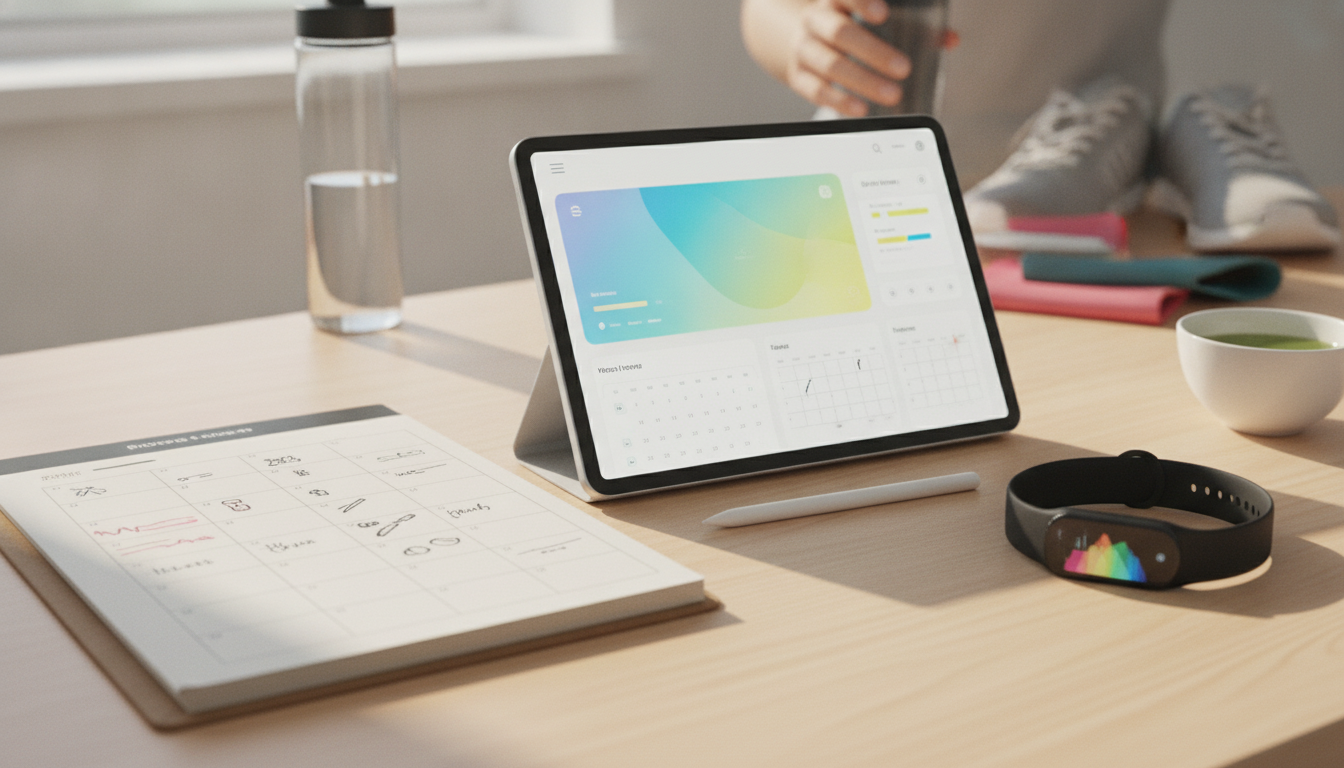
AI-Powered Fitness Progress Tracker Checklist: A Simple System to Measure What Matters
Consistency gets easier when progress is visible. A simple tracker—one that fits on a single printable page or a reusable digital file—can turn workouts, habits, recovery, and body metrics into a clear weekly snapshot. The goal isn’t to record everything. It’s to record the few signals that actually guide better decisions next week, without overthinking or jumping between apps, notes, and screenshots.
What This Tracker Helps Track (Without Getting Overcomplicated)
- Training: workouts completed, sets/reps/weight or time/distance, intensity, and quick notes
- Body and performance: optional weigh-ins, measurements, photos, PRs, resting heart rate
- Recovery: sleep quality, soreness, stress, hydration, mobility work
- Habits that drive results: protein/meal consistency, steps, warm-ups, stretching
- Accountability: weekly goals, end-of-week reflection, next-week adjustments
If you’re unsure what “enough” activity looks like, the Physical Activity Guidelines for Americans provide a solid baseline for weekly movement, and a tracker helps you see whether your real week matches your intention.
Printable + Digital: How to Use It Your Way
- Printable workflow: keep one sheet on a clipboard, mark checkboxes daily, review every 7 days
- Digital workflow: type into fields on a tablet/phone, duplicate weekly, store in a folder by month
- Hybrid option: print for quick checkmarks, then capture a photo and store digitally for history
- One home for numbers: use a single consistent place for weights, steps, and measurements to avoid scattered notes
Digital works best when it’s frictionless. Printable works best when it’s visible. Either way, the best tracker is the one you’ll actually open every day.
A 10-Minute Weekly Routine That Makes Tracking Actually Work
A tracker becomes powerful when it includes a tiny feedback loop. Set a recurring 10-minute appointment (end of week or start of week) and follow this routine:
- Set one weekly objective (strength PR, three runs, better sleep, consistent steps) and write it at the top.
- Choose 2–4 daily checkboxes that match the objective (workout, protein, water, steps, bedtime).
- Log workouts with one line per session: exercise focus + one key number (top set, total time, distance).
- End the week with a quick review: wins, obstacles, and one change to test next week.
- Keep goals repeatable: repeatable progress beats occasional “perfect” weeks.
This approach keeps the tracker focused on decisions. If you can’t answer “What will I do differently next week?” after reviewing, you’re collecting data without using it.
Using AI to Turn Logs Into Action (Questions That Stay Practical)
If you like using an AI assistant, you can copy your week’s notes and ask for a short, structured summary. The key is to treat the output as options—then choose one small experiment for the next week.
- Weekly summary request: paste your week’s notes and ask for 3 patterns (energy, adherence, performance) and 2 recommendations.
- Plateau check request: provide two weeks of key numbers and ask what to adjust first (training volume, intensity, recovery, nutrition).
- Habit focus request: list which checkboxes were missed and ask for the smallest change that improves consistency.
- Safety check request: ask for potential red flags in recovery notes (poor sleep, high soreness, unusual fatigue) and when to rest or deload.
- Keep it practical: select one change to test next week, not five changes to start tomorrow.
What to Record for Different Goals
The simplest way to avoid burnout is to pick 1–2 primary outcome metrics, then use a few supporting signals to explain what’s happening. For body metrics, the CDC guidance on assessing healthy weight is a helpful reference point for understanding measurements and context.
| Goal | Primary metric | Support metric | Weekly review question |
|---|---|---|---|
| Get stronger | Top set weight/reps | Sleep + soreness | Did performance rise without recovery dropping? |
| Lose body fat | Weekly average weight | Steps + protein consistency | Was the trend down while energy stayed stable? |
| Run farther | Weekly mileage/time | Easy-day effort | Did volume increase gradually without pain? |
| Feel better daily | Energy rating | Hydration + bedtime | Which habit most improved the week? |
For training structure and safe progression, the American College of Sports Medicine (ACSM) resources are a reliable way to sanity-check your plan.
Common Tracking Mistakes (and Easy Fixes)
Product Option: AI-Powered Fitness Progress Tracker Checklist (Printable & Digital)
If you want a ready-to-use format that keeps everything in one place, the AI-Powered Fitness Progress Tracker Checklist (Printable & Digital) is designed as a simple checklist and guide for workouts, wellness habits, and weekly progress.
If you also want a lightweight daily companion focused on energy and routine consistency, pair it with Your AI-Powered Daily Boost Checklist to keep the “do it today” habits as simple as possible.
FAQ
How often should progress be measured for accurate trends?
Use daily checkmarks for habits and a quick workout log after each session, then do one weekly review to spot patterns. For body metrics, weekly averages (or one weekly measurement) are usually more useful than reacting to single-day changes.
Can this tracker work for beginners and advanced trainees?
Yes. Beginners can track workouts plus 2 simple habits (like steps and protein), while advanced trainees can add volume/intensity notes, PR attempts, and a couple of recovery metrics. The best setup is the simplest one you can sustain for months.
What should be done when the tracker shows a plateau?
Troubleshoot in order: recovery (sleep and stress), adherence (are the sessions and habits happening), training progression (volume/intensity), then nutrition. Change one variable per week and watch what the next weekly review shows before changing anything else.












Leave a comment